 Save on Pinterest
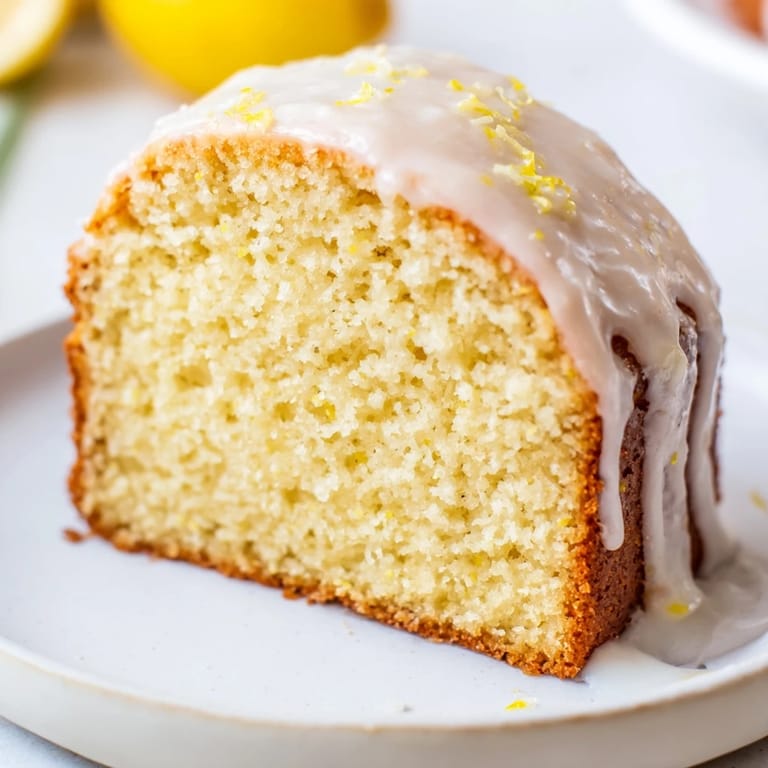
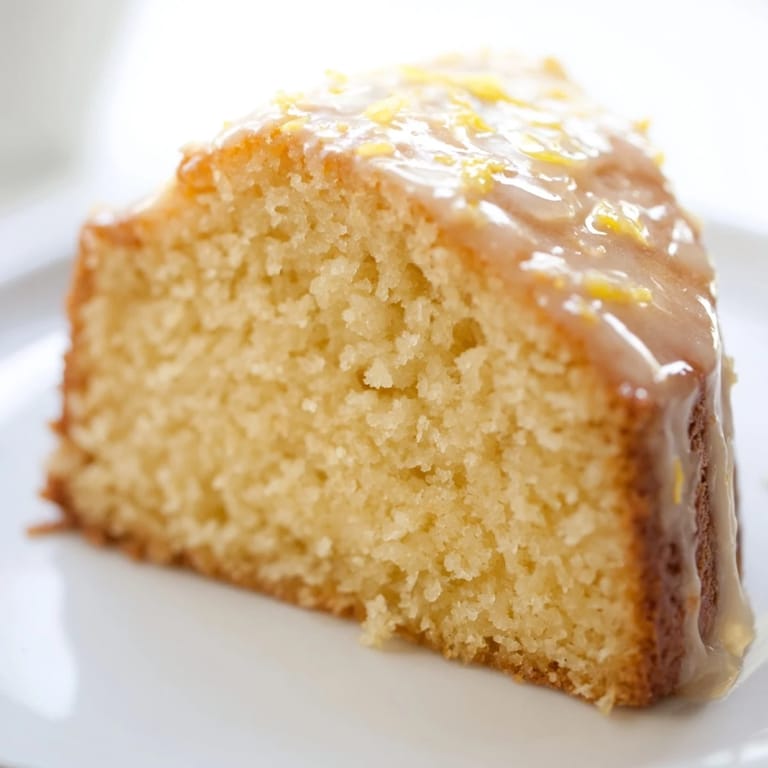
 There's something about the smell of lemon zest hitting the air that makes me stop whatever I'm doing. Years ago, a friend brought over this pound cake on a gray afternoon, and the kitchen suddenly felt warm and bright just from the aroma alone. She cut into it with such confidence, and I watched the dense crumb reveal itself—golden, tender, perfectly balanced between richness and that unmistakable citrus zing. I knew right then I had to learn how to make it myself. That first attempt was messier than hers, but the flavor was undeniable, and I've been refining it ever since.
I baked this cake for my neighbor who'd just moved in, and she stood in my kitchen doorway with the most genuine smile when I handed it over still warm. She came back three days later asking if I'd make another one because her whole family had devoured it. That's when I realized this wasn't just a recipe—it was a small way to say hello to people and make them feel welcomed. Now whenever someone needs a thoughtful dessert, this is what I reach for.
Ingredients
- Unsalted butter (1 cup, softened): Room temperature butter creams smoothly and traps air, creating that tender crumb—cold butter will fight you and make the batter lumpy.
- Granulated sugar (2 cups): This is what gives the cake its structure and helps the butter hold onto all those air bubbles you're beating in.
- Eggs (4 large, room temperature): Cold eggs won't blend properly and can break the emulsion; pull them out at least 30 minutes before baking.
- Fresh lemon juice and zest (1/4 cup juice, 2 tablespoons zest): This is where the magic happens—fresh is everything here, and the zest should come from organic lemons if you can find them.
- Whole milk (1/4 cup): The acidity in milk helps the lemon flavor pop and keeps the crumb tender.
- All-purpose flour (2 1/2 cups): Measure by spooning into your cup and leveling off to avoid packing it down and making the cake dense.
- Baking powder (1 teaspoon) and salt (1/2 teaspoon): These aren't just filler—they help the cake rise gently and balance the sweetness.
- Powdered sugar (1 cup, for glaze): Make sure to sift it; lumpy glaze looks careless and tastes gritty.
Tired of Takeout? 🥡
Get 10 meals you can make faster than delivery arrives. Seriously.
One email. No spam. Unsubscribe anytime.
Instructions
- Prepare your pan and preheat:
- Get your oven to 350°F and line or grease your loaf pan thoroughly—I use parchment paper because it's foolproof. You don't want the edges sticking to the pan and tearing when you flip it out.
- Cream the butter and sugar:
- Beat them together for 3 to 4 minutes until the mixture looks pale and fluffy, almost like frosting. This is the foundation of everything; rushing this step means a denser cake.
- Add the eggs slowly:
- Drop them in one at a time and beat well after each one so they fully incorporate. If you dump them all in at once, the batter can look broken and separated, which scares people—but it usually comes back together as you add flour.
- Combine your wet ingredients:
- In a small bowl, whisk the milk, fresh lemon juice, and zest together and set aside. The acidity needs time to start doing its work.
- Mix dry ingredients separately:
- Whisk the flour, baking powder, and salt in another bowl so everything is evenly distributed. No lumps of baking powder hiding in the finished cake.
- Alternate wet and dry carefully:
- This is where people often overbeat, which leads to a tough cake—use your mixer on low speed and fold in the flour mixture in thirds, alternating with the milk-lemon mixture and starting and ending with flour. Stop as soon as you don't see white streaks; that's the signal to step back.
- Pour and bake:
- Transfer the batter to your prepared pan, smooth the top, and slide it into the oven. Set a timer for 50 minutes and check with a toothpick—it should come out clean or with just a few moist crumbs clinging to it.
- Cool with patience:
- Let it sit in the pan for 10 minutes so it firms up, then turn it out onto a wire rack to cool all the way through. Glazing a warm cake makes it soak up the glaze unevenly.
- Make and apply the glaze:
- Whisk powdered sugar and fresh lemon juice until smooth and pourable—it should be thinner than frosting but thick enough to cling. Drizzle it over the cooled cake and let it set for at least 30 minutes before slicing so it firms up and doesn't run off.
 Save on Pinterest
 The first time someone told me this cake reminded them of their grandmother's recipe, I felt a little proud and a little humble all at once. Food has this quiet power to slip into people's memories and sit there, becoming part of their story. That's when I started understanding why baking matters—it's not just about following steps, it's about the comfort and continuity you're wrapping up in every slice.
Why Fresh Lemon Matters Most
Lemon extract is tempting when you're in a hurry, but it's a shortcut that shows in the final taste—it comes across as perfumey and artificial. Real lemon zest has these little oil pockets that release flavor gradually as the cake bakes and cools, and the juice brings brightness without that chemical edge. I learned this the hard way when I tried a batch with extract thinking it would be stronger; it wasn't better, just different in a way that made me miss the real thing. Now I always grab a couple of extra lemons from the market, even if I only need the zest from two.
Storage and Serving Ideas
Wrapped tightly in plastic wrap or in an airtight container, this cake keeps beautifully for three days at room temperature—and honestly, it tastes even better on day two when the flavors have had time to settle and deepen. I've found that a simple cup of Earl Grey tea is the perfect companion, but it also shines alongside fresh berries, a dollop of whipped cream, or even a small scoop of vanilla ice cream. One summer afternoon, I sliced it while it was still very slightly warm and served it with fresh raspberries and a drizzle of honey, and that combination felt like sunshine on a plate.
Troubleshooting and Final Thoughts
If your cake comes out drier than expected, check that your oven temperature is accurate—ovens lie, and a 25-degree difference changes everything. If the top cracks during baking, that usually means the oven is too hot or the cake is baking too quickly; it's cosmetic and doesn't affect the taste, and the glaze covers it anyway. One last thing: don't slice into it until it's completely cool, even though the smell will tempt you—you'll lose the structural integrity and end up with crumbly pieces instead of clean slices.
- A kitchen scale takes the guesswork out of flour measurements and makes your results more consistent.
- Zest your lemons before you juice them—it's much easier to zest a whole lemon than to zest a juiced one.
- If you want extra lemon intensity, add 1/2 teaspoon of lemon extract along with the fresh juice and zest, not instead of it.
 Save on Pinterest
 Every time I make this cake, I'm reminded that the simplest recipes often carry the most meaning—not because they're complicated or impressive, but because they work, and they bring people together. That's worth showing up for.
Recipe FAQs
- → How is the lemon flavor incorporated into the cake?
Fresh lemon juice and finely grated lemon zest are mixed into the wet ingredients, providing natural citrus brightness throughout the batter.
- → What makes this cake dense and moist?
The generous amount of butter and sugar creamed together, combined with eggs and milk, creates a rich and tender crumb that stays moist after baking.
- → How should I prepare the pan to prevent sticking?
Grease and lightly flour the loaf pan or line it with parchment paper before pouring the batter to ensure easy removal after baking.
- → Can I substitute any ingredients for dietary restrictions?
While the cake contains butter, eggs, and milk, some may try plant-based alternatives or egg replacers, but texture and flavor could vary.
- → What is the purpose of the lemon glaze?
The smooth lemon glaze adds an extra layer of tart sweetness, complementing the buttery cake and enhancing the fresh citrus notes.
- → How long should the cake cool before glazing?
Allow the cake to cool completely on a wire rack—roughly 30-40 minutes—before drizzling the glaze to ensure it sets properly.