 Save on Pinterest
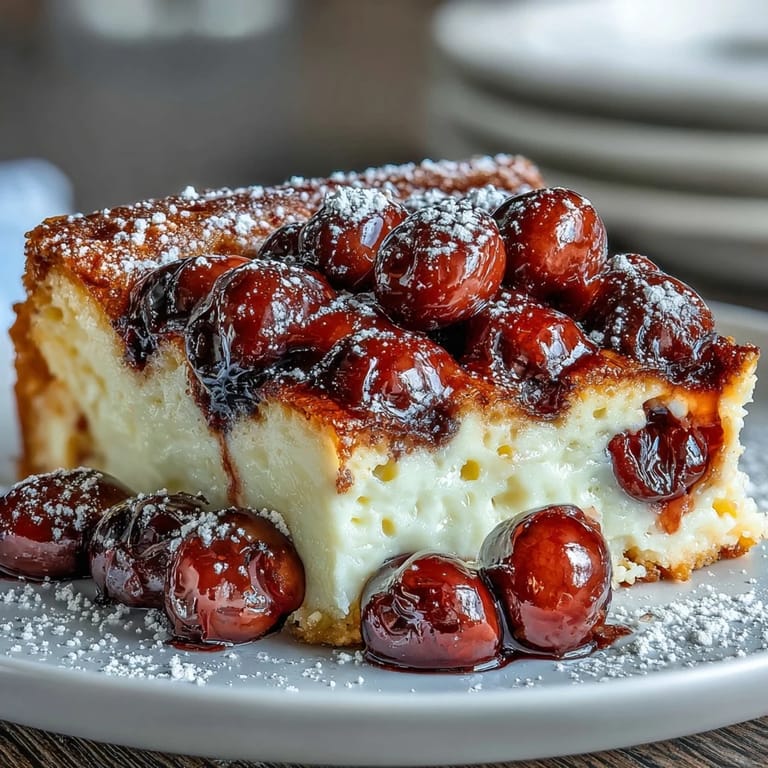
 The first time I made cherry clafoutis, it was an unexpectedly breezy afternoon that surprised me with its ripe fruit and a promise of a slow evening. The kitchen filled up with the scent of vanilla and warm cherries as sunlight shifted across my counter. Making clafoutis felt quietly joyful: not fussy, yet with just enough ceremony to feel special. A few floury fingerprints on my apron and a near-scientific obsession over pitting cherries made it all the more satisfying. It's a dessert that's rustic but always invites a second look.
One evening, some friends came by unannounced, toting a bag of newly picked cherries—still cold, some with their leaves clinging on. We gathered around the table, pitting cherries one by one while joking about the threat of stained shirts. Laughter, sweet cherry juice, and the hum of a preheating oven made for the kind of memory that quietly marks a season. It's a recipe designed for sharing, even if you only intended to make it for yourself. That night, it was gone in minutes, dusted with snowy sugar and smiles.
Ingredients
- Fresh sweet cherries: I hunt for the plumpest ones—their juiciness makes the dessert sing, and pitting by hand is worth every second.
- Large eggs: Fresh eggs give a silkier custard, and whisking until pale helps trap air.
- Granulated sugar: The right amount brightens the cherries but doesn’t overpower their flavor.
- Vanilla bean: That one little pod is the soul of this; split and scrape patiently for every speck.
- All-purpose flour: Just enough to set the custard but not make it cakey; don’t be tempted to add too much.
- Salt: A pinch unlocks all the other flavors—don’t skip it.
- Whole milk: The high fat content balances the tart cherries and keeps the custard lush.
- Heavy cream: Adds a touch of richness; let it come to room temperature for the smoothest mix.
- Unsalted butter: Melting and cooling it down keeps the batter light (and coats the pan for a golden edge).
- Butter (for greasing): A generous swipe along the dish surface keeps sticking at bay and boosts the aroma.
- Powdered sugar (for dusting): A final snowy sprinkle delivers that bistro finish.
Tired of Takeout? 🥡
Get 10 meals you can make faster than delivery arrives. Seriously.
One email. No spam. Unsubscribe anytime.
Instructions
- Prep the pan and oven:
- Switch on your oven to 180°C (350°F). Butter your chosen baking dish, making sure you reach every side and corner—it’s your insurance against sticking.
- Arrange the cherries:
- Scatter the pitted cherries over the base of the dish. Feel free to snack on a few as you go; they’re your reward for the pitting effort.
- Whisk eggs and sugar:
- In a medium bowl, whisk eggs with the sugar until the mixture is pale and slightly thick—your arm might tire, but the effort shows up in tenderness later.
- Add vanilla, flour, and salt:
- Stir in the vanilla seeds, then add flour and salt. Keep whisking until no lumps remain, and the scent of vanilla begins to rise.
- Mix in liquids:
- Gently whisk in milk, heavy cream, and melted (cooled) butter. The batter should be pourable and smooth, reminiscent of pancake batter.
- Pour over cherries:
- Slowly pour the batter over the cherries, letting it settle between the fruit and coaxing any floating cherries back below the surface.
- Bake:
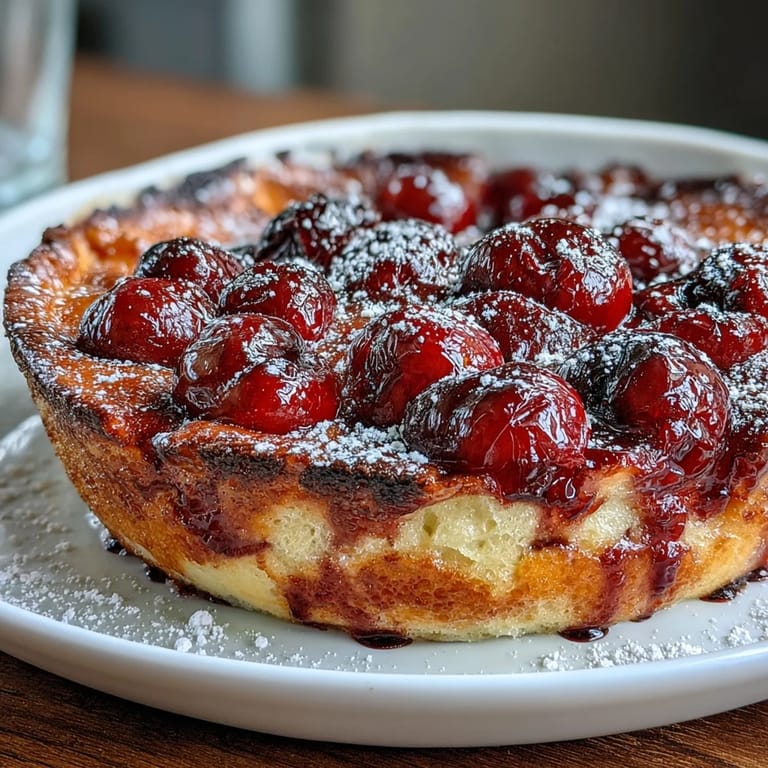
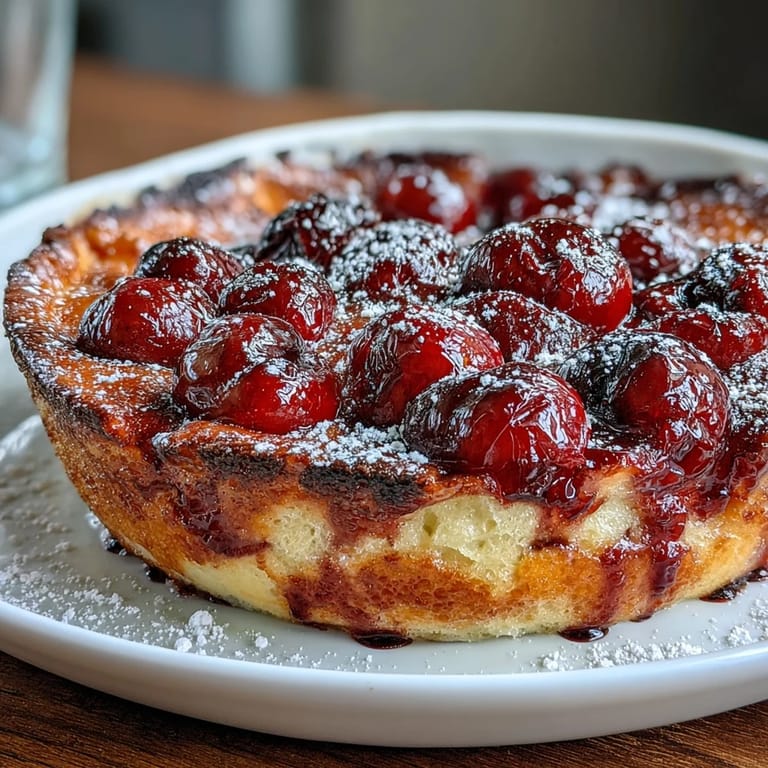
- Transfer the dish to the oven and bake for 35–40 minutes. You’ll know it’s ready when the custard puffs in the middle and turns a gentle gold, the edges just pulling away.
- Cool and finish:
- Let the clafoutis cool for about 15 minutes—warm but not hot is the sweet spot. Dust generously with powdered sugar just before serving for a touch of magic.
- Serve:
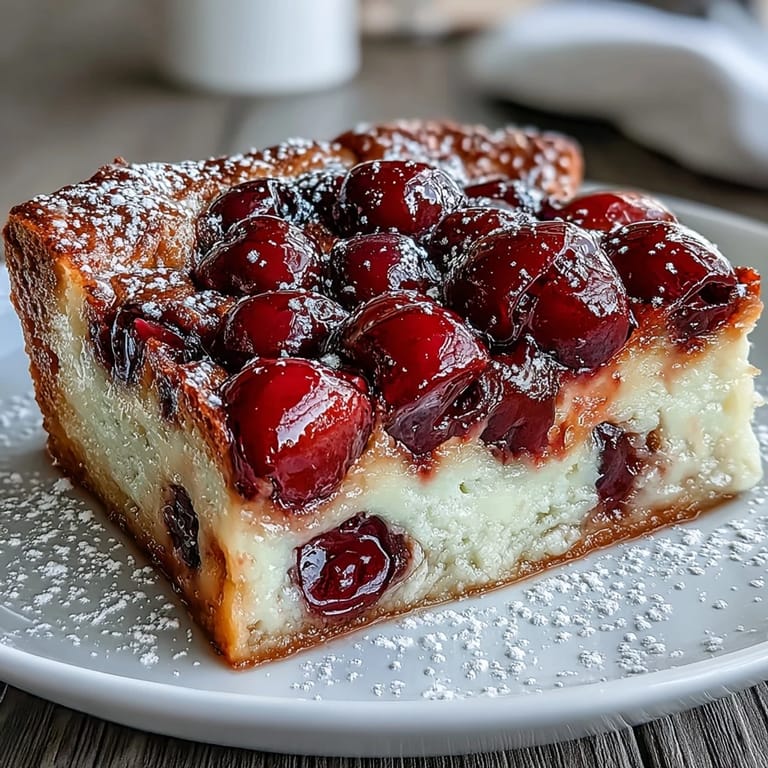
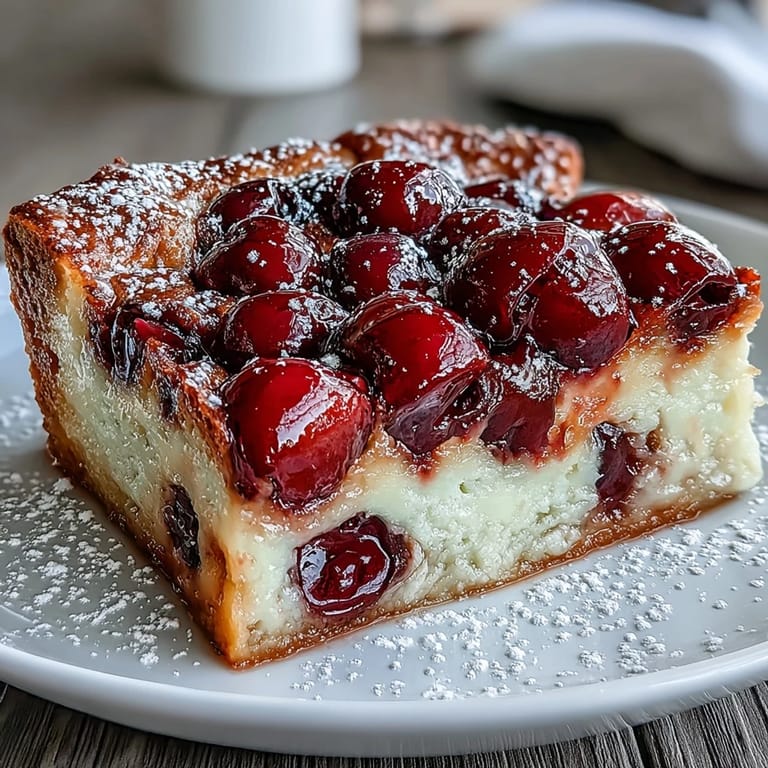
- Ladle generous slices warm or at room temperature; both are delicious, and leftovers (if any) are rare.
 Save on Pinterest
  Save on Pinterest
 The afternoon my niece announced she wanted 'cake for breakfast,' I remembered leftover clafoutis waiting in the fridge. Watching her sneak a forkful (cold, with powdered sugar dusted on top) taught me this isn't just dessert—it's a little celebration any time of day.
Picking Your Cherries Makes All the Difference
I’ve learned that not all cherries are created equal. Ripe, sweet cherries make for the best clafoutis, but if you catch them just before their peak, their tartness hangs in the custard and adds a lively contrast. It’s worth visiting a farmer’s market if you can; just remember, every imperfection in the fruit gives your clafoutis a little personality.
How Not to Overbake (or Underbake) Your Clafoutis
The line between creamy and dry happens in a flash—watch for the custard to puff, then barely jiggle when shaken. I sometimes open the oven a minute or two early just to check because even a golden top can’t mask an overdone middle. Let resting time finish the work and reward you with a tender set.
Swapping Fruits and Small Surprises
If cherries aren’t in season or you like to experiment, this recipe takes well to swaps like plums, apricots, or even blackberries. Once, on a whim, I added a splash of almond extract and the subtle flavor made everyone ask what the secret was. Whatever fruit you choose, don’t skimp on the vanilla—its warmth ties everything together.
- Let clafoutis rest before slicing for tidy portions.
- Only dust with powdered sugar right before serving so it doesn’t disappear.
- Save a little for breakfast with coffee—it’s the baker’s privilege.
 Save on Pinterest
  Save on Pinterest
 Cherry clafoutis is a dessert I love because it turns simple ingredients into something memorable. Every time I bake it, it feels like a little summer celebration, wherever you are.
Recipe FAQs
- → Can I use frozen cherries instead of fresh?
Yes. Thaw and drain frozen cherries well to avoid excess moisture; pat dry with paper towels. Toss briefly in a little flour to help distribute them evenly in the batter.
- → Do I need to pit the cherries?
Pitting is recommended for ease of eating, but leaving pits in is traditional and adds a subtle almond note. If you leave pits, warn diners before serving.
- → How can I tell when the clafoutis is done?
The custard should be set around the edges and just slightly wobbly in the center; it will firm as it cools. A light golden color and a puffed surface are good visual cues.
- → Can I swap milk or cream for alternatives?
You can use plant-based milks and a non-dairy cream for a lighter finish, though texture will be slightly different. Choose a higher-fat alternative for a richer custard.
- → What flour can I use if I need gluten-free?
Replace the all-purpose flour with a 1:1 gluten-free baking blend. The texture may be marginally more delicate, so handle the batter gently and avoid overbaking.
- → How should leftovers be stored and reheated?
Store cooled portions covered in the fridge for up to 2 days. Rewarm gently in a low oven (about 150°C / 300°F) for 8–10 minutes or serve at room temperature.